A black pouch can make a small product range look premium, but colour and appearance do not tell you whether the pack will protect the contents, fit your filling process or stay within budget. By the end, you can compare pouch formats, specify the tests and dimensions you need, and decide whether black laminated packaging suits your product and order volume.
Key takeaways
- Use black pouches for dry products that do not puncture or leak.
- Choose a window when customers need to inspect the product before buying.
- Request oxygen, moisture and seal-performance specifications from the supplier.
- Test filled pouches before ordering custom packaging in volume.
Which small-business products suit a black laminated pouch?
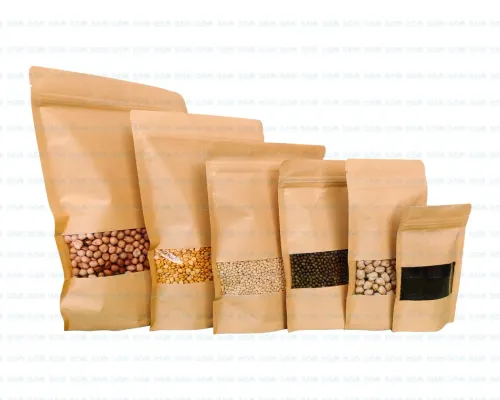
A stand-up pouch suits dry, free-flowing products when its format matches the product, shelf-life target and selling conditions. Snacks, roasted nuts, dry fruits, coffee, tea, spices, grains, baking ingredients, protein powders and other dry goods can fit laminated packaging pouches if they are not too sharp, oily, or sensitive to oxygen and moisture.
Product conditionSuitable starting pointWhen to choose another packDry snacks, tea or spicesStand-up pouchUse a stronger barrier for oxygen, aroma or light-sensitive contentsPowders, grains or baking ingredientsStand-up pouch with suitable gussetTest settling, dust at the seal and actual fill weightHigh-moisture food or liquidsSpecialist laminate or rigid containerResidual moisture can shorten shelf life and increase leaksSharp bones, chips or puncturing contentsThicker structure or rigid containerEdges can damage the film, gusset or corner sealsVacuum-packed or long-life productsSpecialist high-barrier structureStandard pouch construction may not hold vacuum or shelf life
Black laminated packaging pouches for small businesses in Coimbatore are a sensible starting point only after you identify:
- Fill weight and expected shelf life
- Transport route, handling and storage temperature
- Product sensitivity to oxygen, moisture, aroma, grease and light
Black colour alone proves nothing about protection. Ask for the complete structure’s target oxygen-transmission rate and water-vapour-transmission rate, then verify filled-pouch trials with seal-leak and drop testing.
Should you choose a plain black pouch, custom print or a window?
Choose a plain matte pouch with a label when your flavours, sizes or ingredients are still changing; choose custom print when repeat runs justify stronger shelf recognition. This is usually the safest small business branded packaging decision.
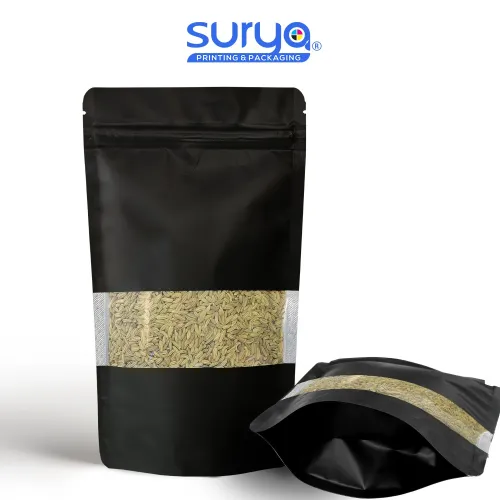
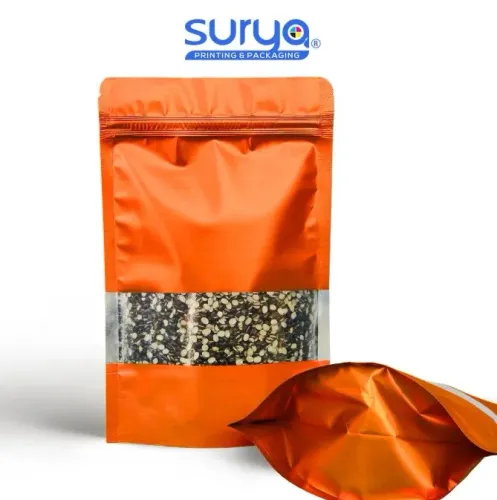
OptionAppearance and flexibilityBest fitPlain black pouch + labelLowest artwork commitment; easy to reviseChanging products, small runsCustom-printed pouchStronger recognition; conventional printing may add plates, cylinders, setup charges and minimum quantitiesStable designs and repeat ordersBlack window stand up pouchShows colour, size and texture, but admits more light and reduces barrier coverageProducts where visual inspection drives purchase
A label must leave clear, high-contrast space for product identity, net quantity, manufacturer or packer details, batch or lot number, date marking, and the applicable vegetarian or non-vegetarian declaration. Check minimum text size and variable-data space before approval; a stylish black label that hides mandatory information is a failed pack.
Digital printing suits shorter runs but usually costs more per pouch. Conventional printing becomes more efficient on repeat volumes, so request plate, cylinder, setup and minimum-order charges separately.
Keep the window small for light-sensitive coffee, spices and fats, or choose no window when protection and uninterrupted branding matter more. Matte surfaces look premium, yet they reveal fingerprints, scuffs, rub marks and powder residue. Approve a physical proof and run rub, scuff and transit checks before ordering.
What protection must the pouch specification prove?
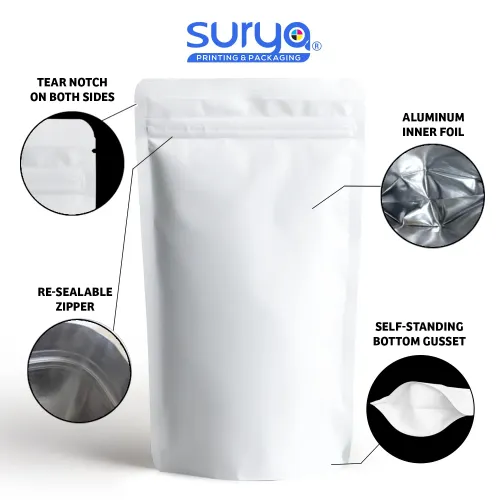
A proposed PET plus Poly and inner foil construction proves protection only through measured performance, not its layer names. Ask for the complete laminate specification, including each layer’s thickness, adhesive, sealant and print position, plus target OTR and WVTR with test temperature, relative humidity, gas and test method.
1. Match the targets to the product’s oxygen, moisture, aroma and grease sensitivity. Request WVTR results under ASTM F1249 or the stated equivalent method, not a film datasheet without conditions.
2. Demand seal-leak results and the test method. A zipper makes laminated packaging pouches reclosable, not hermetic; specify a heat seal above the zipper for tamper evidence, leak resistance or maximum shelf life, then test seal strength under ASTM F88/F88M.
3. Obtain confirmation of the ink, adhesive, curing process and intended food-contact use. Reject a generic “FDA approved” claim as proof of the complete construction.
4. For food sold in India, request the food-contact declaration and certificate of conformity from an NABL-accredited laboratory.
Shelf-life evidence must come from filled-pouch trials in expected Coimbatore conditions. Include OTR, WVTR, seal integrity, drop testing and accelerated or real-time storage; an unfilled laminate sample cannot reveal powder contamination at the seal or corner stress.
Ask how bonded dissimilar layers and carbon-black pigments affect recycling and sorting detection. A polyethylene layer alone does not make the complete pouch recyclable.
How do size, fill weight and filling technique affect performance?
Do not order by nominal length and width alone: a filled stand-up pouch can lose usable volume at the bottom gusset, while corner seals create additional leak paths.
1. Ask the supplier for pouch length, width, bottom-gusset measurement, opening width, usable capacity, fill-weight range and the material density used to calculate that range. Confirm these figures for the black matte ziplock pouch in Coimbatore you will actually buy.
2. Fill samples with the real product. Coffee, powders, whole nuts and flakes settle differently and occupy different volumes. Check that each filled pouch stands upright, leaves usable headspace, engages the zipper fully and survives drops without stressing corner seals or the gusset.
3. Set a repeatable headspace instead of filling to the zipper. Keep powder and crumbs below the zipper track, brush or wipe the seal area clean, close the zipper before the top seal, then heat-seal above it using a validated temperature, pressure and dwell-time window.
4. Run zipper-cycle, leak, drop and transport tests at the intended fill weight. Record failures after repeated opening and after rough handling, not only immediately after filling.
Do not approve “110 microns” in isolation. Sharp edges, heavy fills, repeated opening and rough distribution decide whether the structure is adequate, so test those conditions before ordering production quantities.
What should you compare before placing a small order?
Before ordering, turn small business branded packaging into a supplier brief and compare total cost, not the pouch price alone. For black laminated packaging pouches for small businesses in Coimbatore, compare the routes across the same decisions:
OptionCost patternBest fitPlain pouch plus labelLower artwork commitment; label cost continuesChanging flavours, sizes or declarationsConventional printed pouchSetup, plates or cylinders and higher minimums; efficient repeatsStable designs and larger repeat runsDigital-printed pouchLower setup burden; higher unit priceShort runs and frequent artwork changes
Request separate figures for:
- Pouch price, labels or printing, artwork setup, plates or cylinders, digital-print setup, minimum order quantity, repeat-order pricing, lead time, sample charges, freight and storage requirements.
- Food-contact certificate source, reusable artwork or cylinder ownership, and responsibility for defects or reprints.
Ask for physical samples in every proposed size. Fill them with the real product, then run seal, drop, zipper, transport and storage tests before approving a large batch. Surya Graphics is one local option for comparing black pouch formats, print routes and sample validation; it cannot prove that one construction suits every product.
Reserve dark-design space for mandatory declarations, confirm the batch and date-marking method, and establish whether your brand has Plastic Waste Management Rules extended-producer-responsibility duties for quantities placed on the Indian market. Choose black packaging only when shelf impact, light protection and operational fit justify testing, minimum order and end-of-life trade-offs.
Related products
 Packaging Pouch
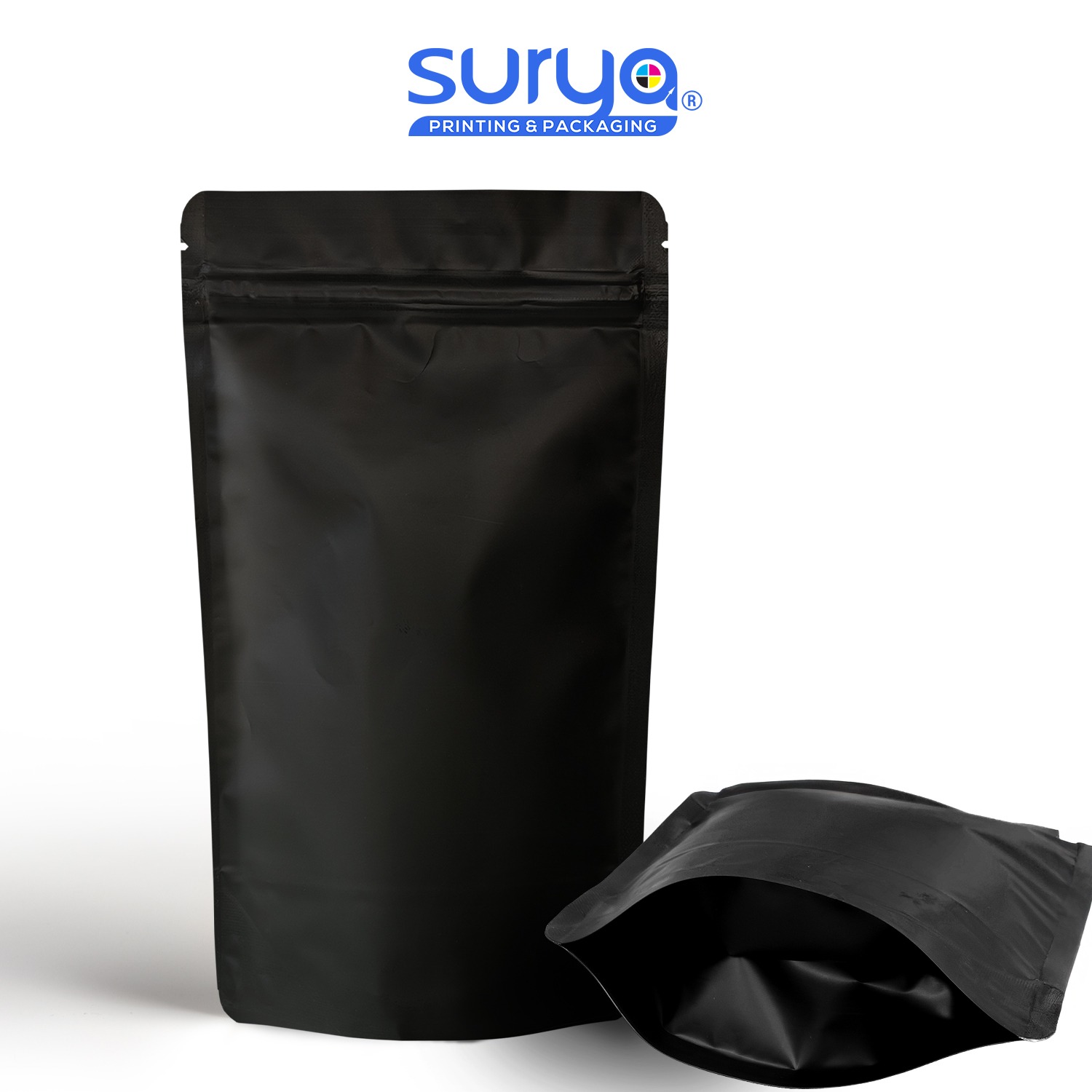
Black Color Matte Finish Ziplock Inner Foil Stand-Up Pouch
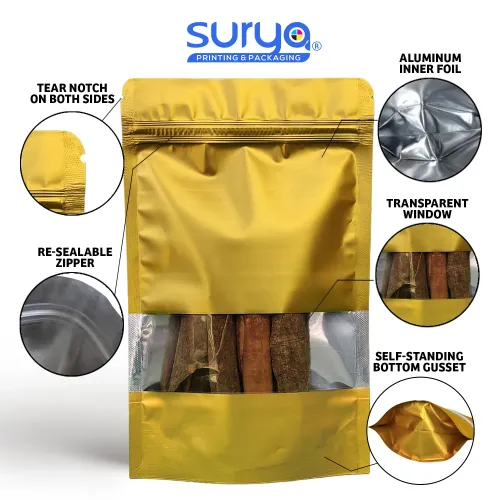
Appearance Matte Black in color | 3 sides sealed | Bottom gusset | Tear notch | Zipper | Inner foil | Without window Technical Details Pet + Poly |...
View product → Packaging Pouch
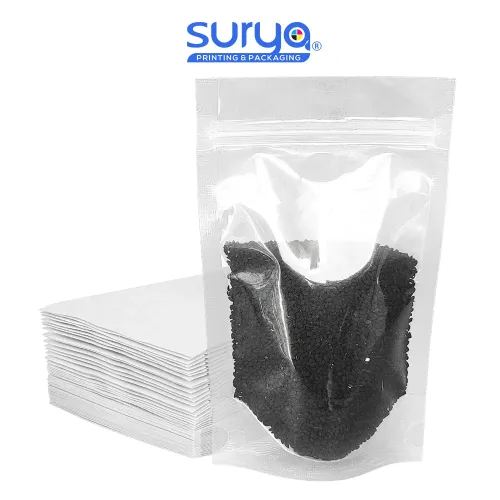
Black Color Matte Finish transparent window Ziplock Inner Foil Stand-Up Pouch
Appearance Matte Black in color | 3 sides sealed | Bottom gusset | Tear notch | Zipper | Inner foil | With window Technical Details Pet + Poly | 110...
Frequently asked questions
- Which products suit a black laminated packaging pouch?
- Dry, free-flowing products such as snacks, roasted nuts, dry fruits, coffee, tea, spices, grains, baking ingredients and protein powders can suit the format when they are not too sharp, oily or sensitive to oxygen and moisture.
- Should a small business choose plain black, custom print or a window pouch?
- Choose a plain black pouch for flexible, low-volume testing; custom printing for stronger shelf branding; and a black window stand-up pouch when customers need to see the product before purchase.
- What protection should a laminated pouch specification prove?
- Ask for documented oxygen and moisture barrier performance, laminate structure, seal strength, zipper details and compatibility with your product and filling process.
- How do size and filling technique affect pouch performance?
- The pouch must hold the intended fill weight without overloading the gusset or zipper. Product density, particle shape, headspace, filling speed and sealing temperature affect stability and seal quality.
Keywords