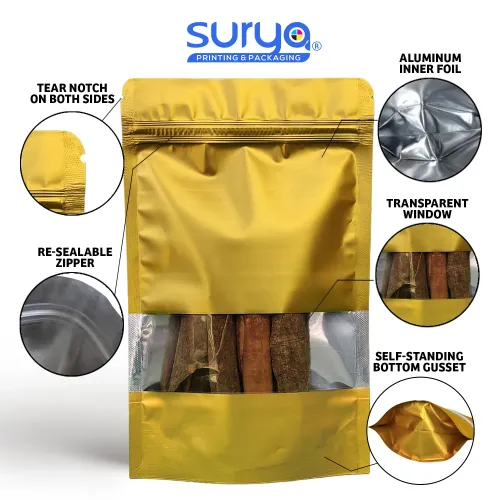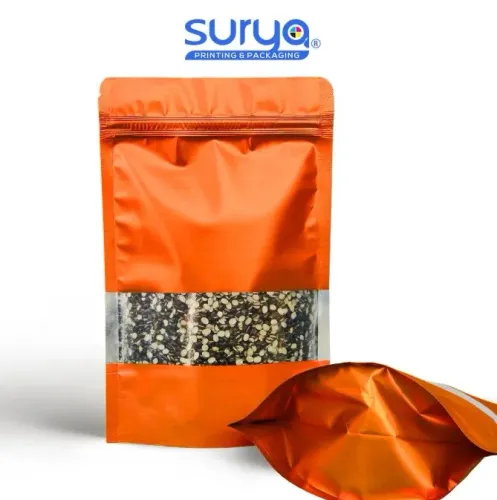
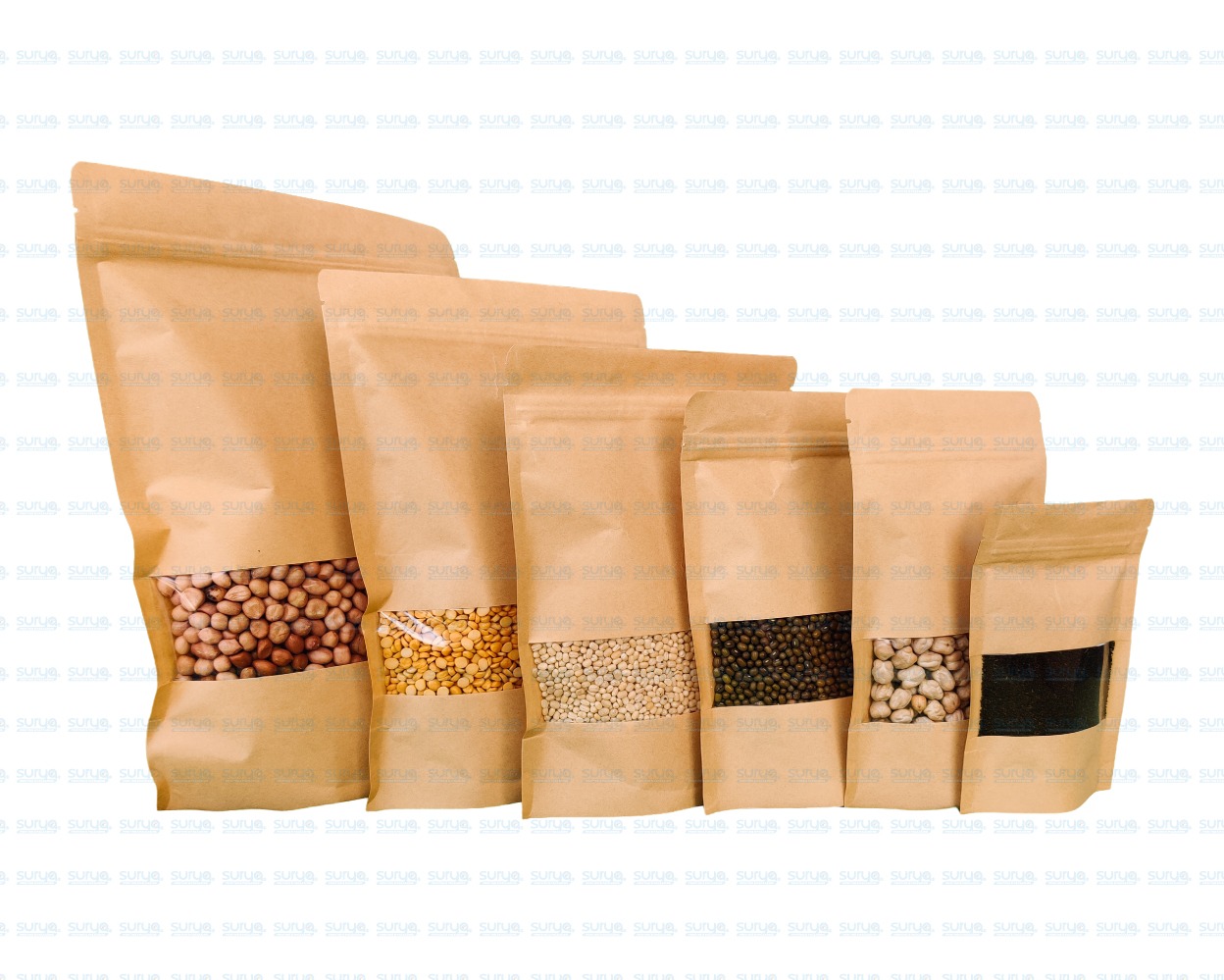
A ziplock pouch can leak even when the zipper appears to close correctly: powder may sit in the seal area, a gusset may split, or a permanent heat seal may contain a hidden channel. By the end, you will be able to identify the failure type, test a filled pouch, set up a controlled sealing trial and specify a replacement without sacrificing barrier or shelf-life performance.
Key takeaways
- Trace leaks before replacing the zipper or pouch.
- Test zipper closure and heat seals as separate failure points.
- Record temperature, pressure, dwell time, and seal results.
- Give your manufacturer product, filling, storage, and sealing details.
Which part of the pouch is actually failing?
A leak is not automatically a zipper failure: identify the path before changing the pouch. The reusable zipper closes the pouch after opening; the primary heat seal provides the initial continuous closure. A working zipper does not prove that the heat seal is airtight.
Failure pointWhat to inspectTypical clueZipperTrack alignment and interlockingDisplaced profile, raised section or closure gapPermanent heat sealTop band, channels and wrinklesLeak despite a correctly closed zipperFilm punctureBody and seal areaPinholes or sharp-edge marksGusset leakageSide and bottom foldsSplit, lifted fold or seepageTear-notch damageNotch, adjacent film and sealTear extending into the seal or pouch wall
For transparent ziplock pouch seal problems, clear film helps you find defects but cannot prove freedom from microchannels or pinholes. Check these causes separately:
- Product dust trapped in the seal zone
- A folded film edge or wrinkle across the jaw
- Uneven jaw pressure, incorrect dwell time or unsuitable temperature
- Overfilling that blocks zipper engagement and loads the top seal
- Sharp product edges puncturing the film or gusset
Do not raise temperature alone; it can thin, shrink or distort the sealant layer. Do not use the zipper as a substitute for a tamper-evident or airtight first closure when the product requires one.
How do you test a ziplock pouch before blaming the package?
Use two passes: test the empty pouch for obvious assembly faults, then test a filled pouch for stresses that only appear in use.
1. Empty the pouch completely and brush loose product away from the closure area. Powder trapped between the profiles can prevent engagement and create a leak that looks like a zipper defect.
2. Inspect the full zipper track, including both ends. Close it from one end to the other, then check for a continuous interlock without a gap, raised section or displaced profile.
3. Fill the pouch below the zipper, leaving the same controlled headspace you use on the packing line. Close the zipper fully, then invert the pouch and squeeze the body firmly.
4. Inspect the zipper ends, side seals, bottom gusset and top heat-seal bands. Look for a leakage path, product inside the closure, wrinkles, channels, seal lift or a split that opens under pressure.
5. Open and close the zipper repeatedly, then compress and handle the filled pouch as it would be stacked, moved and packed. An empty pouch can pass while the loaded pouch transfers force into the zipper, top seal or gussets.
6. Repeat the inspection after flexing, because a defect can appear only after bending or compression. Clear film makes wrinkles, trapped product and incomplete seals easier to see, but it cannot prove the absence of microchannels, pinholes or flex-activated defects. Use a leak test when visual inspection leaves doubt.
How should you set and validate the heat-sealing process?
Set the process from a sealing-window trial, not from film thickness alone. A 100-micron laminate does not prescribe one universal temperature or dwell time because the sealant chemistry, zipper profile, pressure, jaw condition, cooling and product contamination change the usable range.
VariableWhy it changes the resultWhat to checkSealant chemistrySeal-initiation temperature and flow differ by resinTest the actual laminateZipper profileTrack thickness and stiffness alter heat transfer and pressureCheck alignment and end-seal formationPressure and jawsUneven force creates channels or weak edgesInspect jaw flatness, cleanliness and pressure balanceCooling and handlingEarly movement can lift a hot sealDefine cooling time before packing or stackingProduct contaminationDust, oil or crumbs interrupt seal contactKeep the seal zone clean during filling
Ask for trials using the production laminate, zipper, product, pouch dimensions and filling equipment. Test several temperature, pressure and dwell-time combinations; record each setting, cooling or handling condition, and seal result at every batch changeover. Increasing temperature alone can thin, shrink or distort the sealant layer and worsen leakage.
Use ASTM F88/F88M seal-strength testing to measure separation force and record the failure mode. Pair it with a leak test: seal strength does not prove airtightness. For gross leaks in nonporous flexible packaging, ASTM F2096 pressurises the pouch internally and uses bubble emission to locate leaks.
It is destructive troubleshooting, not a guarantee against microscopic or intermittent defects.
What must a replacement pouch protect against?
Approve a replacement against the product’s failure risks, not its appearance or unit price. Match the film structure and sealant to the contents, then compare oxygen transmission rate, water-vapour transmission rate, grease resistance, light protection, sealant compatibility and food-contact declarations.
Product riskRequired protectionChecks before approvalOily foodsGrease-resistant sealant and laminateNo seal softening, staining or slip after contactPowdersClean seal zone, controlled dosing and extra headspaceFinal zipper-engagement and compression checksRoasted snacksPuncture and aroma protectionFlexing and impact checks for sharp fragmentsMoisture-sensitive goodsLow water-vapour transmission rateShelf-life validation at the intended climateLight- or oxygen-sensitive goodsOpaque or metallised film and low oxygen transmission rateLight and oxygen barrier data for the actual structure
A wider zipper cannot compensate for trapped powder. Compare track alignment, closing force, end stops, width, placement and usability after repeated opening; qualify these features with fill weight, pouch dimensions and headspace together. After any laminate or format change, repeat compression, vibration, drop or impact, temperature-exposure and opening-and-closing checks.
A mono carton box manufacturer in Coimbatore supplies rigid paperboard, not a zipper pouch’s reseal or moisture barrier; use a separately validated inner barrier pack when a carton becomes the outer format.
How should you choose and brief a Coimbatore pouch manufacturer?
Treat a stand up pouch manufacturer in coimbatore for ziplock problems as a technical supplier, not a catalogue seller. Ask whether it can adjust zipper alignment and sealing tooling, run filled-product trials, investigate leaks, measure seal strength and control artwork registration to the cylinder or plate.
Request a written trial protocol covering:
- Approved artwork, pouch dimensions and tolerances
- Film structure, sealant layer and zipper profile
- Product, fill weight, dosing method and headspace
- Sealing-window results for temperature, pressure and dwell time
- Trial sample quantity and test methods
- Seal-strength and leak-test acceptance limits
- Retained samples, batch identification and review procedure
Separate responsibility before assigning blame.
ResponsibilityWhat the party controlsFailure cluesConverterLaminate selection, zipper insertion, printing and pouch formingMisregistration, zipper offset, poor forming or incompatible sealantPackerProduct dosing, seal-zone cleanliness, jaw settings and handlingPowder in seals, wrong dwell, uneven pressure or damage on the line
If the pouch passes incoming inspection but leaks during filling, run a joint converter–packer trial using the actual product and machine. Repeating an empty-pouch test will not locate contamination or jaw-setting faults.
A stand up zipper pouch manufacturer in coimbatore should provide filled-product results, not only samples. Surya Graphics belongs in the same evaluation: check its trial records and retained samples against your acceptance limits. Coimbatore proximity can shorten trial cycles and enable line troubleshooting, but location alone proves nothing.
Related products
 Packaging Pouch
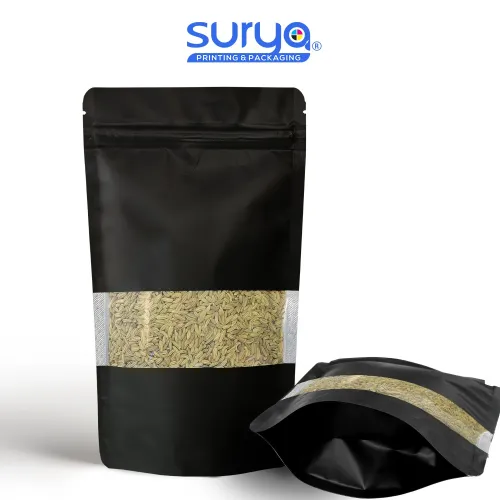
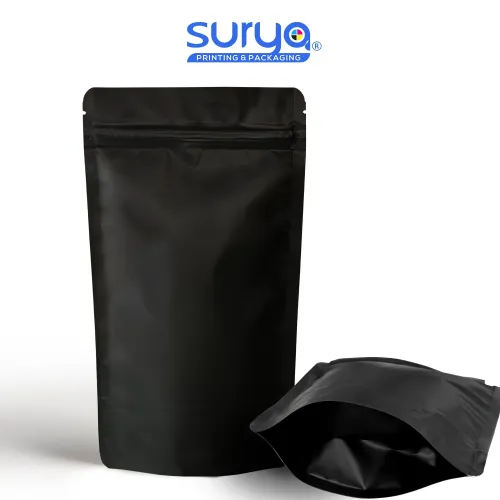
Black Color Matte Finish Ziplock Inner Foil Stand-Up Pouch
Appearance Matte Black in color | 3 sides sealed | Bottom gusset | Tear notch | Zipper | Inner foil | Without window Technical Details Pet + Poly |...
View product → Packaging Pouch
Kraft transparent window Ziplock Inner Foil Stand-Up Pouch
Appearance Brown in color | 3 sides sealed | Bottom gusset | Tear notch | Zipper | With window Technical Details Kraft + Poly | 110 Microns | Heat...
Frequently asked questions
- Which part of a ziplock pouch is actually failing?
- Separate the reusable zipper from the primary heat seal. A pouch can have a working zipper but still leak through an incomplete, contaminated, or damaged heat seal. Inspect the zipper track, seal edges, corners, and film for punctures.
- How do you test a ziplock pouch before blaming the package?
- Check whether the zipper closes continuously, then test the heat seal separately. Look for product trapped in the seal, channel leaks, wrinkles, weak corners, and damage from filling, transport, or storage. Compare failed packs with unopened samples from the same batch.
- How should you set and validate the heat-sealing process?
- Control sealing temperature, pressure, and dwell time as a matched set. Record the machine settings, inspect seal width and appearance, and test samples after filling. Revalidate when the film structure, pouch size, product, machine, or production speed changes.
- What must a replacement ziplock pouch protect against?
- Define the product's risks before choosing the structure: moisture, oxygen, light, aroma loss, grease, puncture, compression, and heat. Match the film barrier and seal design to filling conditions, shelf life, transport, and storage.
- How should you choose and brief a Coimbatore pouch manufacturer?
- Give the manufacturer pouch dimensions, zipper position, film requirements, product weight, filling temperature, sealing equipment, target shelf life, artwork, and failure samples. Ask for trial samples and documented seal-test results before approving a ziplock packaging pouch replacement.
Related products
 Packaging Pouch
Both side silver Ziplock Stand-Up Pouch
Appearance Silver in color | 3 sides sealed | Bottom gusset | Tear notch | Zipper | Without window Technical Details Pet + Poly | 110 Microns | Heat...
View product → Packaging Pouch
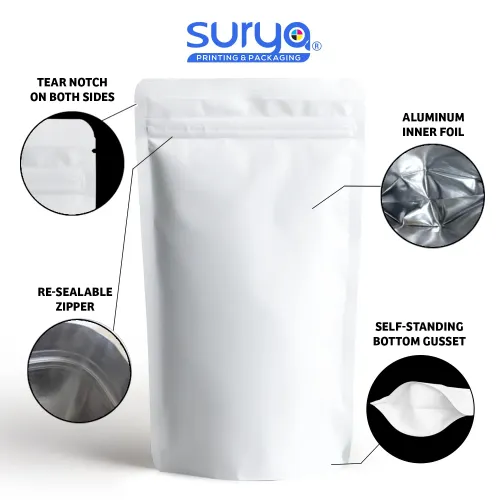
White Color Matte Finish Ziplock Inner Foil Stand-Up Pouch
Appearance Matte White in color | 3 sides sealed | Bottom gusset | Tear notch | Zipper | Inner foil | Without window Technical Details Pet + Poly |...
View product → Packaging Pouch
Kraft Ziplock Inner Foil Stand-Up Pouch
Appearance Brown in colour | 3 sides sealed | Bottom gusset | Tear notch | Zipper | Inner foil | Without window Technical Details Kraft + Poly | 110...
View product → Packaging Pouch
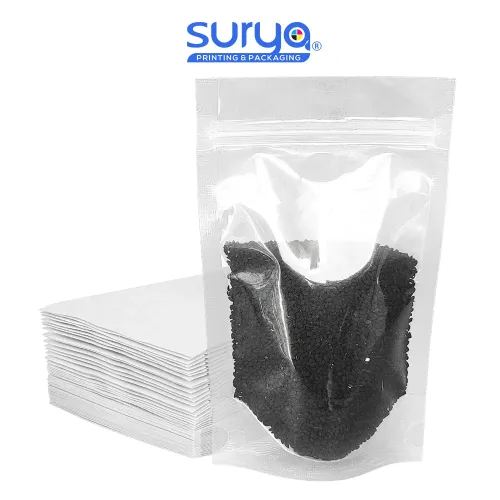
Both side transparent Ziplock Stand-Up Pouches
Appearance Transparent in color | 3 sides sealed | Bottom gusset | Tear notch | Zipper | Full Transparent Technical Details Pet + Poly | 110 Microns...
Keywords